Breaking Down Home Renovation Costs - Your Ultimate Home Renovation Costs Guide
Renovating a home is an exciting journey filled with dreams of fresh spaces, modern finishes, and a renewed sense of comfort. But before you pick up that paintbrush or call a contractor, one question looms large: How much will this all cost? Understanding the breakdown of home renovation costs is essential to avoid surprises and keep your project on track. I’ve been through this process, and I’m here to share a clear, practical guide to help you navigate the numbers with confidence.
Understanding the Home Renovation Costs Guide
When you start planning a renovation, the first step is to get a realistic picture of the expenses involved. Renovation costs can vary widely depending on the size of your home, the scope of work, and the quality of materials you choose. From drywall repairs to painting, flooring, and kitchen upgrades, every element adds up.
Here’s a simple way to think about it: your renovation budget typically breaks down into materials, labor, permits, and unexpected expenses. Each category deserves attention.
Materials: This includes everything from paint and drywall to tiles and fixtures. Choosing high-quality materials can increase costs but often pays off in durability and appearance.
Labor: Skilled professionals like painters, drywall installers, and carpenters charge for their expertise. Labor costs can be a significant portion of your budget.
Permits and Inspections: Depending on your location and the extent of your renovation, you might need permits. These fees are often overlooked but are necessary for legal compliance.
Contingency Fund: Always set aside 10-20% of your budget for unexpected issues like hidden water damage or structural repairs.
By breaking down your renovation into these categories, you can better control your spending and make informed decisions.

Key Factors That Influence Home Renovation Costs
Several factors can dramatically affect your renovation budget. Knowing these will help you plan more accurately and avoid costly mistakes.
Size and Scope of the Project
Are you updating a single room or renovating the entire house? Naturally, a full home renovation will cost more than a bathroom refresh. For example, repainting a 12x12 room might cost a few hundred dollars, while remodeling a kitchen with new cabinets, countertops, and appliances can run into tens of thousands.
Quality of Materials
Choosing between budget-friendly and premium materials impacts your costs. For instance, opting for standard drywall and paint is more affordable than specialty finishes or custom cabinetry. However, investing in quality materials can increase your home’s value and reduce maintenance costs.
Labor Costs in Your Area
Labor rates vary by region and the complexity of the work. Skilled tradespeople like drywall installers and painters charge based on experience and demand. It’s wise to get multiple quotes and check references before hiring.
Structural Changes and Permits
If your renovation involves moving walls, adding rooms, or upgrading electrical and plumbing systems, expect higher costs. These changes require permits and inspections, which add to the timeline and budget.
Unexpected Repairs
Older homes often hide surprises like mold, outdated wiring, or water damage. These issues can inflate your budget if not accounted for upfront. A thorough home inspection before starting can help identify potential problems.
Is $50,000 Enough to Renovate a Home?
This is a question I get asked a lot. The answer? It depends on what you want to achieve and the size of your home. Let’s break it down.
With $50,000, you can accomplish a lot if you plan carefully and prioritize. For example:
Kitchen Refresh: New cabinets, countertops, and appliances in a modest-sized kitchen.
Bathroom Remodel: Upgrading fixtures, tiling, and lighting in one or two bathrooms.
Painting and Drywall: Repainting the entire home and repairing drywall damage.
Flooring: Installing new hardwood or laminate floors in key areas.
However, if you’re looking at a full-scale renovation involving structural changes, high-end finishes, or multiple rooms, $50,000 might be tight. It’s crucial to get detailed estimates and prioritize your must-haves versus nice-to-haves.
Here’s a rough example of how $50,000 might be allocated:
| Renovation Item | Estimated Cost |
|----------------------|-----------------|
| Kitchen Upgrades | $20,000 |
| Bathroom Remodel | $10,000 |
| Painting & Drywall | $8,000 |
| Flooring | $7,000 |
| Contingency Fund | $5,000 |
This budget requires careful planning and choosing cost-effective materials and labor.

Practical Tips to Manage Your Renovation Budget
Managing your renovation budget doesn’t have to be stressful. Here are some actionable tips I’ve learned that can help you stay on track:
Set a Realistic Budget: Start with a clear number and stick to it. Use online calculators and consult professionals to get accurate estimates.
Prioritize Your Needs: Identify which rooms or features are most important. Focus your budget there before considering extras.
Get Multiple Quotes: Don’t settle for the first contractor. Compare prices and services to find the best fit.
Choose Quality Wisely: Invest in materials that offer the best value for your money. Sometimes mid-range options provide durability without breaking the bank.
Plan for Delays and Extras: Renovations rarely go exactly as planned. Build in extra time and money for surprises.
DIY Where Possible: If you have the skills, doing some tasks yourself can save money. Painting and minor demolition are good examples.
Communicate Clearly: Keep open lines of communication with your contractor to avoid misunderstandings and costly changes.
Why Professional Painting and Drywall Services Matter
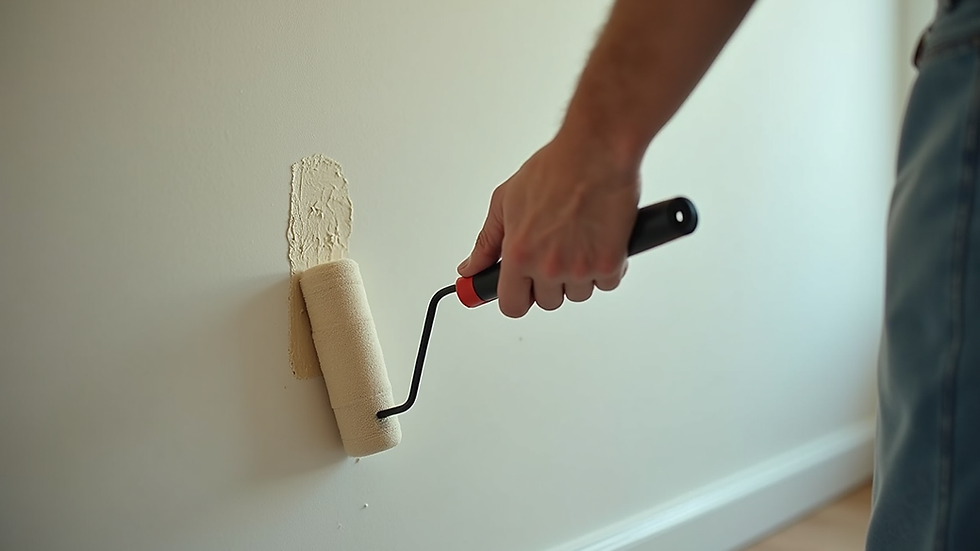
One of the most visible parts of any renovation is the finish. Walls and ceilings set the tone for your entire home. That’s why investing in professional painting and drywall services is a smart move.
Poor drywall installation or sloppy painting can ruin the look of even the most expensive renovations. Professionals ensure smooth surfaces, clean lines, and durable finishes that last. Plus, they can help you choose the right paint types and colors to enhance your space.
Remember, the goal is not just to renovate but to transform your home into a place you love. High-quality finishes contribute significantly to that feeling.
Final Thoughts on Planning Your Renovation Budget
Renovating your home is a rewarding experience, but it requires careful financial planning. By understanding the components of home renovation costs and setting realistic expectations, you can avoid stress and enjoy the process.
If you’re wondering how much do home renovations cost, remember that every project is unique. Take the time to research, get professional advice, and plan your budget with flexibility.
With the right approach, your renovation can be a smooth journey toward a beautiful, refreshed home that reflects your style and needs.
Happy renovating!


Comments